
How to train a rescue dog: a practical guide for new owners

Bringing a rescue dog home is one of the best things you can do. It’s also the beginning of real work. Every rescue dog arrives with a history — sometimes known, often not — and that history shapes how they respond to their new world.
The good news: dogs are remarkably adaptable. Whether your dog came from a high-kill shelter, a foster home, or a neglectful situation, almost any rescue dog can learn the behaviors that make life together smooth and enjoyable. This guide gives you a practical framework to start training from day one.
At Paws Unleashed, our nonprofit dog rescue in Fort Pierce, Florida, every dog we place has received professional training before adoption. But training is an ongoing relationship — it doesn’t stop when you sign the adoption paperwork.

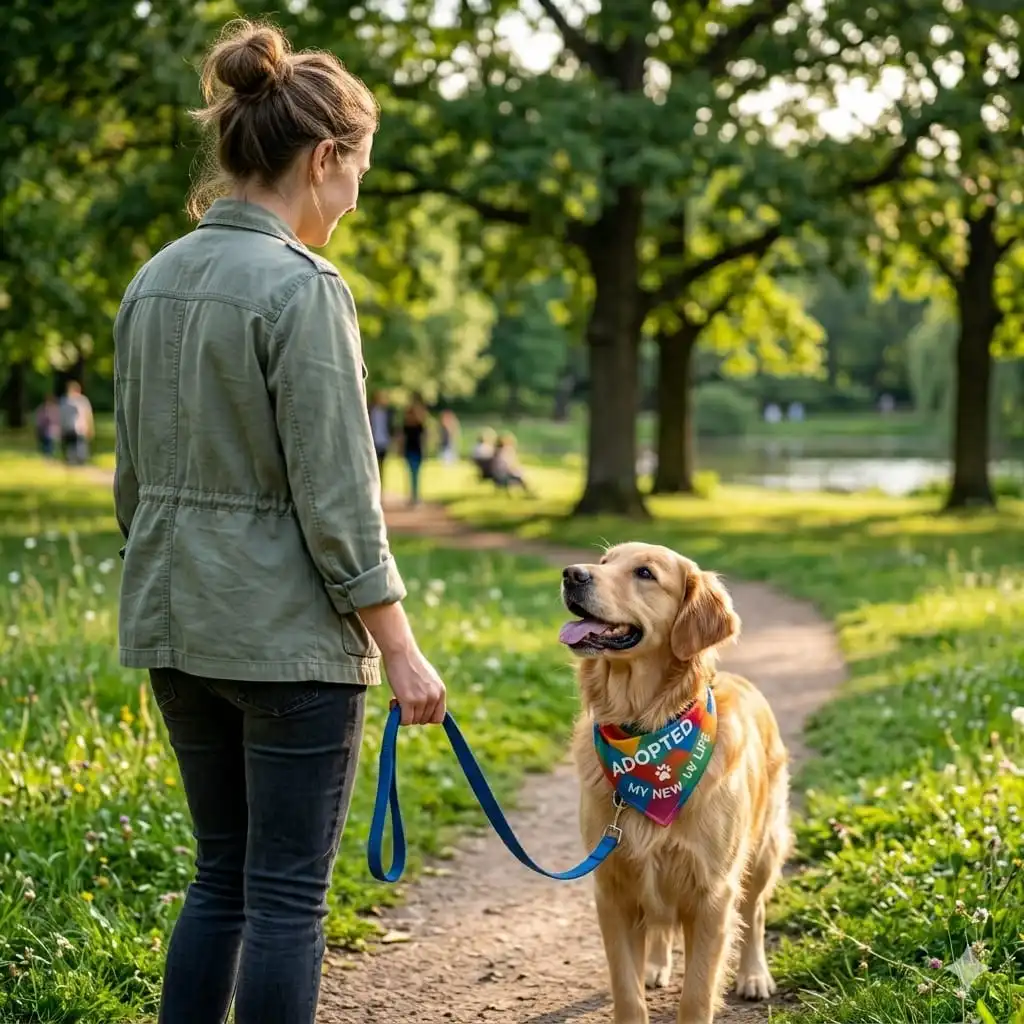
Understand what your rescue dog is going through
A new dog needs time to learn your home and routines. The often-shared 3-3-3 timeline is a rough reminder to be patient, not a tested recovery schedule. Watch the individual dog and seek help when needed.
In the first days, your rescue dog may seem shut down, overstimulated, or both. They’re processing an enormous amount of new information. Let them explore at their own pace before asking anything of them.
Signs your dog is decompressing well:
- Eating regularly and drinking water
- Sleeping in a spot they’ve chosen for themselves
- Making eye contact with you
- Starting to explore the house with more confidence
Try a short, easy training session when the dog is comfortable and interested. If they turn away or seem tense, stop and make the next session easier.
The foundation: positive reinforcement
Everything starts with one concept — positive reinforcement. Reward the behavior you want, consistently, so the dog learns that doing the right thing pays off.
Rescue dogs often have unpredictable histories. Some come from neglectful situations; others from high-kill shelters where they had little human contact. Harsh correction methods — yelling, physical corrections, aversive tools — damage trust and trigger fear-based reactions in dogs with unknown backgrounds. Positive reinforcement is both safer and more effective.
Your tools:
- High-value treats: small, soft pieces of chicken, cheese, or hot dog
- A clicker (optional but useful): marks the exact moment the correct behavior happens
- A calm, consistent voice
- Short sessions: 5–10 minutes, multiple times per day
Keep sessions short enough that the dog remains interested. A few successful repetitions are more useful than continuing after frustration or fatigue appears.
The five commands every rescue dog should learn first
- Sit: The gateway command. Hold a treat near your dog’s nose, then slowly move it back over their head. As their nose goes up, their bottom goes down. Mark and reward the moment they sit.
- Stay: Ask for a sit, hold your palm toward the dog, take one step back. Return, reward. Gradually increase distance and duration. Always return to the dog to release — never call them out of a stay.
- Come (recall): The most important safety command. Never use it for something the dog won’t like. Always make coming to you the best thing that happens to them — big praise, great treats, genuine celebration.
- Leave it: Critical for preventing your dog from picking up dangerous things. Hold a treat in a closed fist. When the dog stops trying and looks at you, mark and reward with a different treat.
- Off: For dogs that jump on people. Turn your back, ignore the jump, reward all four paws on the floor. Consistency from everyone in the household is the key — if one person allows jumping, the lesson is much harder to teach.
Managing common rescue dog behaviors
Separation distress: Start with an absence the dog can tolerate, which may be only seconds. Increase gradually while watching for distress. If the dog panics, injures themselves, or cannot settle, ask your veterinarian and a qualified behavior professional for help.
Leash reactivity: Pulling, barking, or lunging at other dogs is extremely common in adopted rescue dogs. Don’t correct the reaction — redirect before it starts. Watch your dog’s body language and change direction the moment you see tension building. Reward calm attention on you.
Resource guarding: Do not reach for guarded food or toys, challenge the dog, or let children approach. Use barriers and give the dog space. A veterinarian or qualified behavior professional can assess the risk and guide a treatment plan.
Fear and startle responses: Let the dog set the pace with new people and situations. Never force interaction. Confidence builds through positive exposures, not through flooding them with what they fear.
Professional training and when to seek help
DIY training works well for basic commands and mild behavioral issues. But some rescue dogs arrive with more complex challenges — deep-seated fear, trauma responses, or aggression — that need a professional eye.
At Paws Unleashed, our nonprofit volunteers and certified trainers work with every dog before placement. But ongoing training after adoption is just as important. If you’re finding certain behaviors overwhelming, a certified professional dog trainer (CPDT-KA) or a veterinary behaviorist can make an enormous difference.
There is no shame in asking for help. It often means the difference between a rescue dog that thrives in their forever home and one that gets returned to a shelter.
Practice consistently, reward useful behaviors, and adjust the task when the dog struggles. If progress stalls or safety is a concern, ask for professional help rather than relying on a promise that one method works every time.
Questions? We’re here. PawsUnleashed.org or (772) 489-1157.
Recent Posts
-
 Rescue Dog Digging in the Yard? Secure the Boundary, Then Find the Reason
 -
 Rescue Dog Barking at the Window? Change the Room Before the Cue
 -
 Recall Training for a Rescue Dog: Make the Whole Return Worthwhile
 -
 Applying to Adopt a High-Drive Rescue Dog: Build an Honest Handler Plan
 -
 Trigger Stacking in Rescue Dogs: Plan Recovery Before the Next Demand
Search Posts
Recent Posts
-
Rescue Dog Digging in the Yard? Secure the Boundary, Then Find the Reason
-
Rescue Dog Barking at the Window? Change the Room Before the Cue
-
Recall Training for a Rescue Dog: Make the Whole Return Worthwhile
-
Applying to Adopt a High-Drive Rescue Dog: Build an Honest Handler Plan
-
Trigger Stacking in Rescue Dogs: Plan Recovery Before the Next Demand
6 Responses