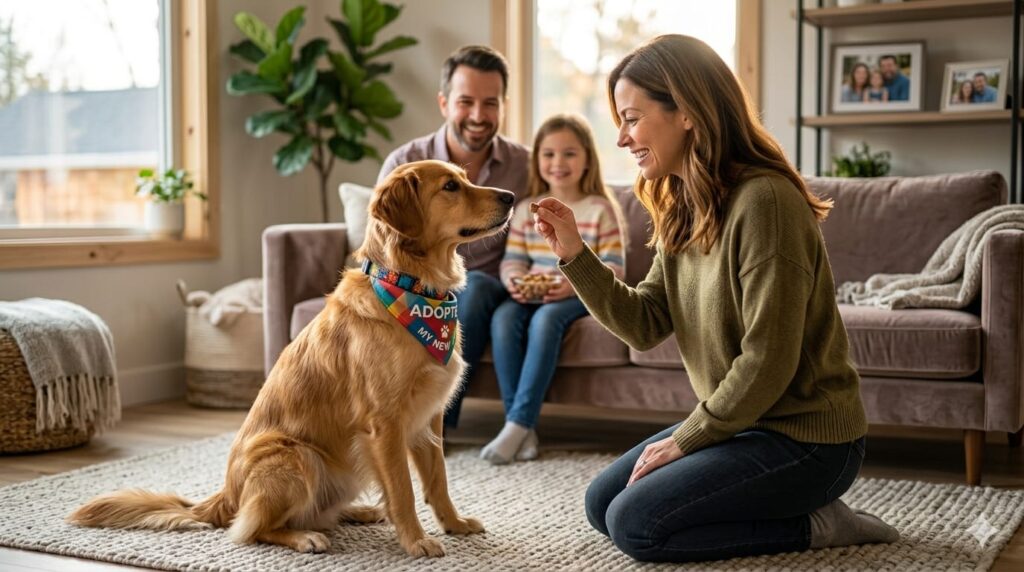
Adopt vs buy a dog: what's actually better?
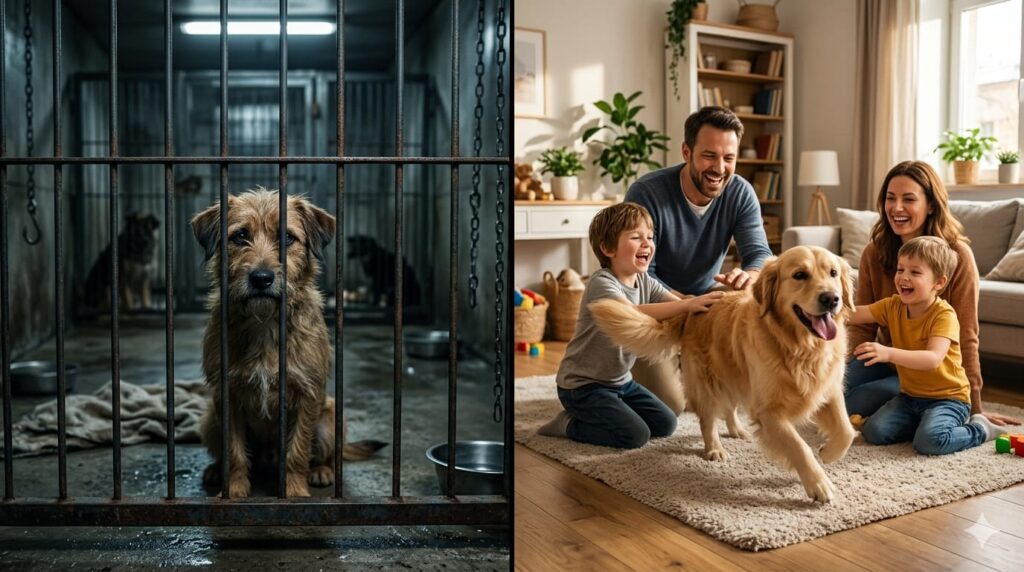
The question comes up every time someone decides they’re ready for a dog. Adopt from a shelter or rescue — or buy from a breeder? People feel strongly on both sides. This guide cuts through the noise and gives you the real differences so you can make the right call for your family.
At Paws Unleashed, a nonprofit dog rescue in Fort Pierce, Florida, we believe adoption is almost always the better path. But we also believe people deserve an honest conversation — not a lecture. So here it is.
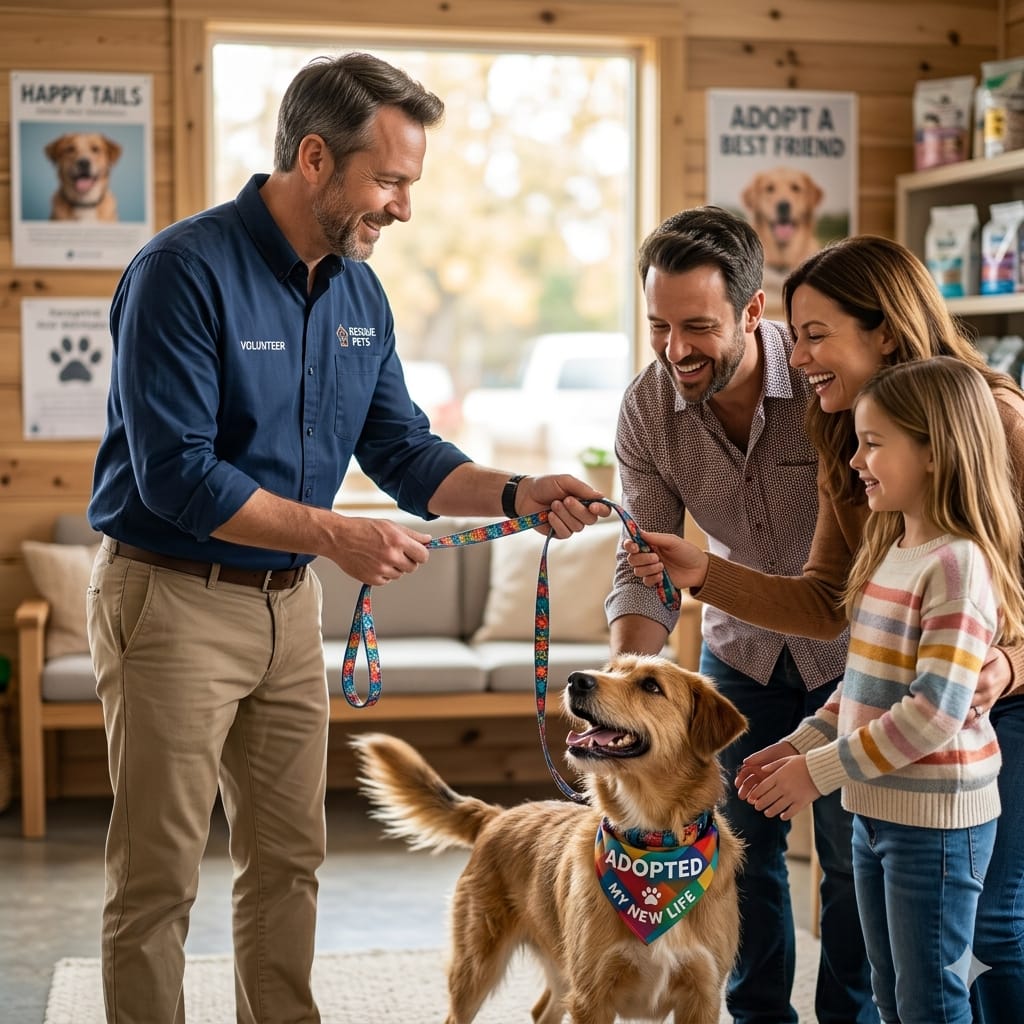
The honest case for dog adoption
Homeless dogs come in every size, age, breed, and personality. The idea that shelters and rescue organizations are full of problem dogs is a myth that costs real animals their lives. Most dogs end up in rescue because of human circumstances — a move, a divorce, a financial crisis — not because of anything wrong with the dog.
Here’s what adopting a rescue dog has going for it:
- Cost: Adoption fees through a nonprofit rescue typically run $50–$300, often including spay/neuter, vaccinations, and microchip — services that would cost $500–$1,000 on their own.
- Transparency: Adult rescue dogs have established personalities. You meet the dog, spend time with it, and make an informed decision — rather than guessing how a puppy might turn out.
- Health: Shelter dogs and rescue dogs, especially mixed breeds, tend to have fewer inherited health problems than purebreds bred for appearance.
- Training: Organizations like Paws Unleashed provide professional obedience training before placement. You’re not starting from zero.
- Saving a life: Roughly 3 million dogs enter U.S. shelters every year. Many are in high-kill shelters facing euthanasia due to overcrowding. Adopting directly saves one of them.
There’s also an emotional dimension that’s hard to quantify. Many adopters describe a particular bond with a rescue dog — something that comes from knowing where the animal has been and giving it a second chance at a loving home.
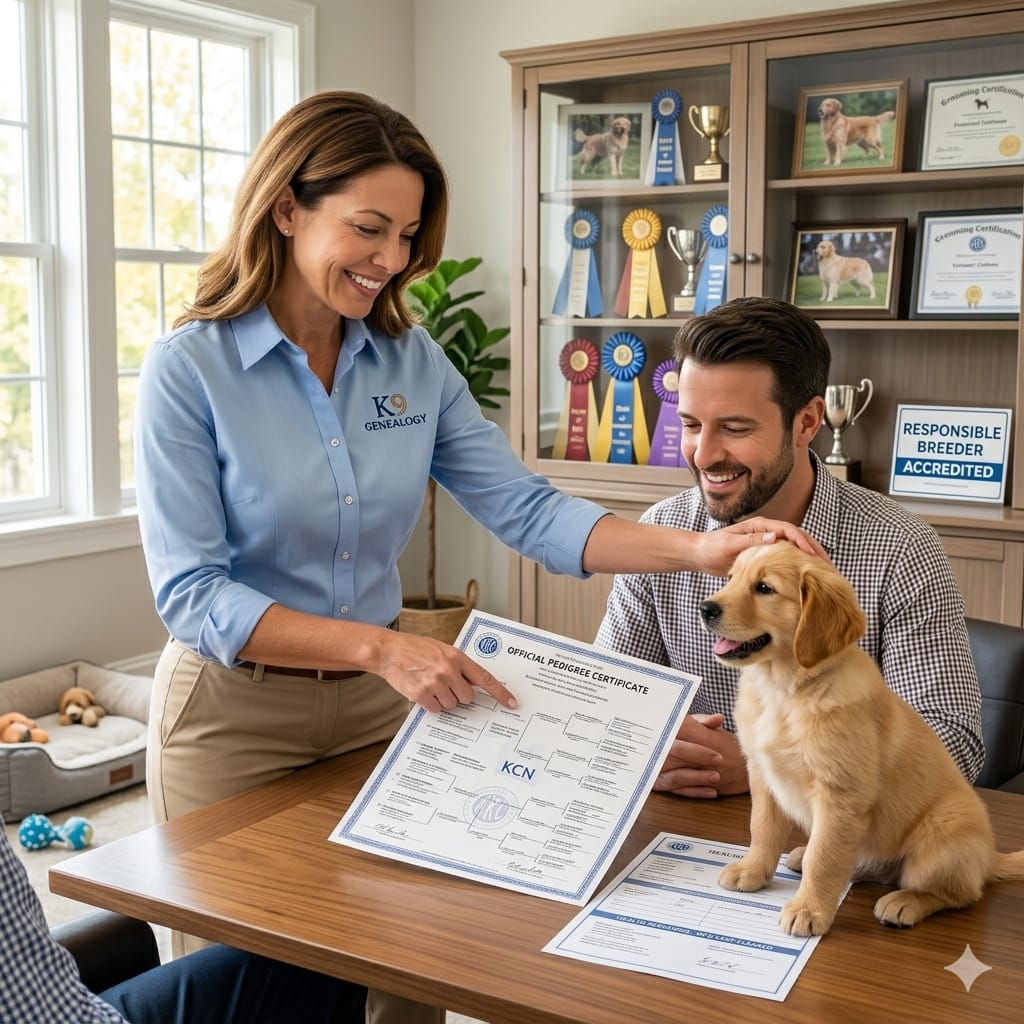
The honest case for buying from a breeder
Responsible breeders do exist, and there are real reasons someone might choose that path. Understanding them makes for a fairer comparison.
Predictability: Purebred dogs from reputable breeders come with known traits — size, energy level, coat type, temperament. For someone with very specific needs, a hypoallergenic requirement, or a family member with severe dog allergies, this predictability matters.
Health screening: Ethical breeders test breeding pairs for genetic conditions and provide health clearances. This reduces — though doesn’t eliminate — the odds of known inherited diseases.
Breed-specific knowledge: A good breeder knows their breed inside and out and can guide you through raising the dog from puppyhood.
The critical caveat: the word ‘responsible.’ The puppy mill and backyard breeder industry is massive. Pets listed on Craigslist, sold at flea markets, or displayed in pet store windows almost never come from responsible sources. Buying from these places funds animal suffering and fills high-kill shelters with the abandoned offspring of poorly bred dogs.
If you’re considering a breeder, research is non-negotiable. Visit in person. Ask for health certifications. Expect to be screened as a buyer — a good breeder cares where their puppies go.
The real cost comparison
- Shelter or dog rescue adoption: $50–$300, often includes spay/neuter, vaccines, and microchip
- Rescue organization (like Paws Unleashed): $100–$500, often includes training and behavioral assessment
- Reputable breeder: $800–$5,000+ depending on breed
- Pet store puppy: $1,000–$3,500, often sourced from mills with unknown health histories
First-year costs add $1,000–$2,000 regardless of where the dog came from. Adopting from a dog rescue that handles the medical groundwork upfront — spay/neuter, vaccines, microchip — significantly reduces that burden.
Can you find specific breeds through rescue?
A common misconception: if you want a specific breed, you have to buy. Not true.
There are breed-specific dog rescue organizations for almost every popular breed — Labrador rescues, Golden Retriever rescues, German Shepherd rescues, and more. Petfinder and Adopt-a-Pet list thousands of purebred and breed-mix dogs available through rescue groups at any given time.
General dog rescues like Paws Unleashed also regularly have dogs identifiable as a specific breed or close mix. Our team can help you find a dog that matches what you’re looking for — without the breeder price tag, and with the satisfaction of saving a homeless dog.
What research says about rescue dogs
Studies on the behavioral and health outcomes of rescue dogs consistently show they score comparably to dogs from breeders on measures of obedience, attachment, and behavior — especially when they receive proper socialization and training. Separation anxiety and fear-based behaviors are actually more common in dogs from pet stores and puppy mills than in those from rescue organizations that invest in behavioral assessment.
Rescue organizations that provide training before placement — as Paws Unleashed does — send dogs home that are ready for family life from day one.
The bottom line
For most families, adopting a rescue dog makes more sense than buying. It’s more affordable, more transparent, and it puts your money toward a nonprofit working to reduce suffering in your community. You give an abandoned or neglected dog a second chance at a forever home — and that matters.
If you have a very specific, non-negotiable need tied to a particular breed and you’ve verified the breeder is ethical, buying is a legitimate choice. But for the overwhelming majority of people, the right dog is already waiting in a rescue organization near them.
At Paws Unleashed, we believe every dog deserves a loving home and every family deserves a dog that fits their life. Curious whether adoption is right for you? Call (772) 489-1157 or visit PawsUnleashed.org.