
Signs your dog is happy and healthy

When you adopt a rescue dog — a dog pulled from neglect, abandonment, or a high-kill shelter — one of the first things you want to know is: are they okay? Are they adjusting? Are they happy?
Dogs can’t tell you in words. But they communicate clearly if you know what to look for. This guide walks you through the physical and behavioral signs that your adopted dog is thriving — and what to watch for when something might be off.


Physical signs of a healthy dog
Health starts with the body. Before you can read your dog’s emotional state, it helps to know what a physically healthy dog looks and feels like.
Coat and skin: Learn what is normal for your dog’s coat type and shedding pattern. Check for new redness, sores, bald patches, persistent itching, or an unusual smell. Ask your veterinarian about changes and suitable grooming.
Eyes: Clear and bright, with no discharge, cloudiness, or redness. A small amount of sleep crust in the morning is normal. Persistent discharge, squinting, or pawing at the eyes warrants a vet visit.
Ears: Clean with no odor and no dark debris inside. Dogs with floppy ears (common in many rescue mixed breeds) are more prone to ear infections. Check weekly and ask your vet about a regular cleaning routine.
Teeth and gums: Look for broken teeth, heavy tartar, discomfort, or changes in gum color. Some dogs have naturally pigmented gums. Pale or blue gums, collapse, or difficulty breathing need urgent veterinary care.
Weight: You should be able to feel your dog’s ribs easily but not see them prominently. Rescue dogs sometimes arrive underweight; Paws Unleashed addresses this during rehabilitation before any dog is placed. If you’re unsure about your dog’s body condition, your vet can score it on a standardized scale.
Elimination: Regular, formed stools (not loose or mucousy) and consistent urination are signs of a healthy digestive and urinary system. Any blood in stool or urine, or significant changes in bathroom habits, should be evaluated by a vet.
Behavioral signs your rescue dog is happy
Look for changes in your dog’s usual behavior. Body language, appetite, activity, and rest together tell you more than a single sign.
Loose, wiggly body: A relaxed dog moves fluidly. Their body isn’t stiff or tense. When they walk toward you, their whole back end may wag, not just the tail. This loose, almost wiggly way of moving is one of the clearest signs of a dog that feels safe and at ease.
Seeking you out: Choosing to rest nearby or approaching for attention can show comfort with you. Constant following may also occur with anxiety, so consider whether the dog can relax when you are apart.
Playfulness: Play behavior — bowing, bouncing, bringing toys, engaging in games — is one of the most reliable indicators of a well-adjusted dog. Play requires a dog to feel safe enough to let their guard down. When a rescue dog first starts playing in a new home, it’s a milestone worth celebrating.
Eating consistently: Keep track of meals and drinking. A new environment can affect appetite, but illness can too. Contact your veterinarian promptly if the dog refuses food or eats very little, especially with vomiting, weakness, or other changes. Do not wait two weeks to seek advice.
Resting comfortably: Notice whether your dog can settle and sleep without repeated disruption. Sleeping curled up or belly-up does not, by itself, establish fear or happiness. Ask your veterinarian about sudden changes in sleep or activity.
Appropriate vocalization: Some breeds are naturally more vocal than others. But barking or whining that feels constant, frantic, or tied to being left alone can indicate anxiety. A happy, settled dog vocalizes in context — a bark at the door, a whine when excited for a walk — not as an ongoing background noise.
Signs something might be wrong
Some changes need prompt care rather than watchful waiting. Contact your veterinarian about the signs below. Trouble breathing, collapse, repeated vomiting, blood in stool, or severe weakness warrant urgent advice.
- Refusing food or eating very little, particularly with other symptoms
- Lethargy or unusual quietness that doesn’t match their normal energy
- Excessive panting not related to heat or exercise
- Hiding or refusing to leave their safe space for extended periods
- Aggression that’s new or escalating
- Excessive licking, chewing, or scratching at specific body parts
- Vomiting more than once, or diarrhea lasting more than a day
- Limping or reluctance to bear weight on a limb
Keep heartworm prevention going year-round, using the product and dosing schedule prescribed by your veterinarian. Ask about testing and review the rescue’s treatment records so you know what follow-up your dog needs.
The happiness trajectory of a rescue dog
As your dog settles in, you may notice more play, exploration, or willingness to rest near you. Record these changes so you can discuss progress and concerns with the rescue team or your veterinarian.
Adjustment does not follow a set schedule. Some dogs relax quickly; others need ongoing behavioral or medical support. Avoid treating a recovery milestone as a deadline.
Useful changes to watch for:
- Eating, drinking, and resting comfortably
- Choosing to approach you or explore without pressure
- Enjoying suitable play or short reward-based training
- Coping with daily routines at an individual pace
Ask for help if your dog is persistently distressed, withdrawn, or struggling with daily activities. A veterinarian can check for illness or pain, and a qualified behavior professional can help plan the next steps.
Keeping your adopted dog thriving long-term
The work of a good adoption doesn’t end after the first month. Here are the habits that keep rescue dogs healthy and happy for the long haul:
- Annual vet visits, plus heartworm testing and prevention year-round (critical in Florida)
- Consistent exercise matched to the dog’s age and breed — not too little, not too much
- Mental stimulation: training sessions, puzzle feeders, new smells and environments
- Social connection with people and, when appropriate, other dogs
- Dental care: brushing or dental chews to prevent periodontal disease
- Continued training — learning new things keeps dogs mentally young and engaged
Keep responding to the dog you have in front of you. Comfortable rest, manageable routines, and enjoyable activities matter more than a promised transformation.
Paws Unleashed rescues, rehabilitates, and rehomes abandoned dogs in Fort Pierce, Florida, and across the U.S. Our 5-star-reviewed team includes certified dog trainers and licensed veterinary partners. Learn more at PawsUnleashed.org or call (772) 489-1157.
Recent Posts
-
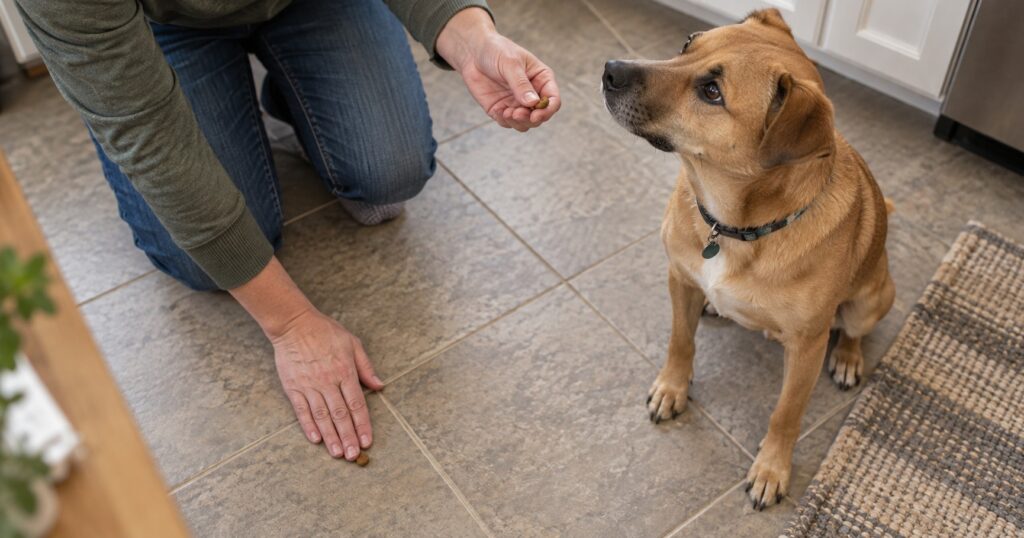 Teach Your Rescue Dog Leave It Before the Item Reaches Their Mouth
-
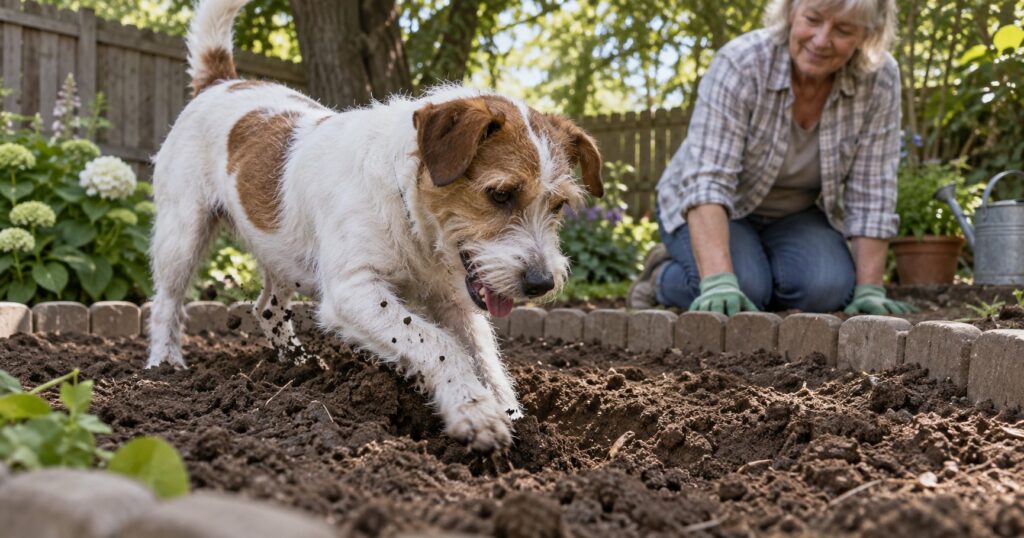 Rescue Dog Digging in the Yard? Secure the Boundary, Then Find the Reason
-
 Rescue Dog Barking at the Window? Change the Room Before the Cue
-
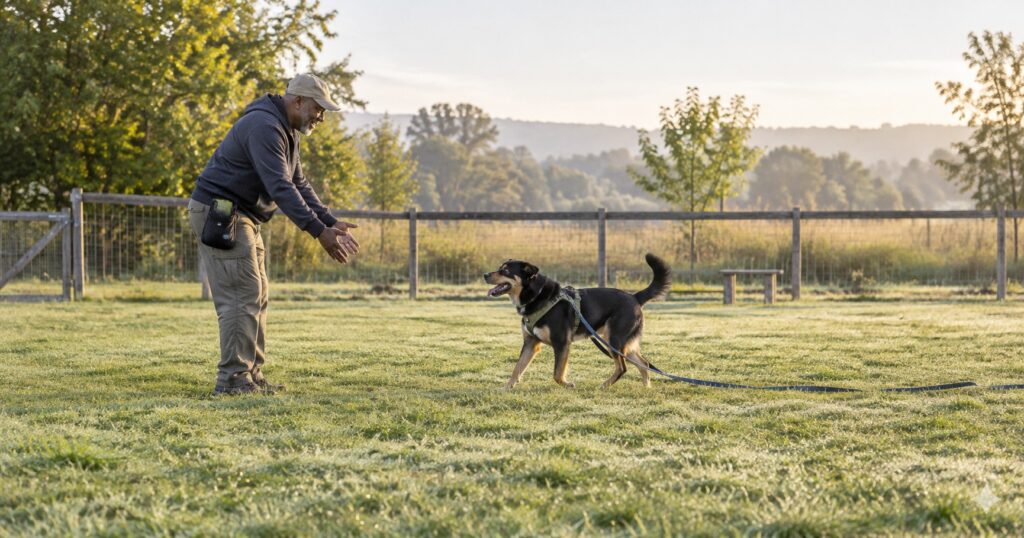 Recall Training for a Rescue Dog: Make the Whole Return Worthwhile
-
 Applying to Adopt a High-Drive Rescue Dog: Build an Honest Handler Plan
Search Posts
Recent Posts
-
Teach Your Rescue Dog Leave It Before the Item Reaches Their Mouth
-
Rescue Dog Digging in the Yard? Secure the Boundary, Then Find the Reason
-
Rescue Dog Barking at the Window? Change the Room Before the Cue
-
Recall Training for a Rescue Dog: Make the Whole Return Worthwhile
-
Applying to Adopt a High-Drive Rescue Dog: Build an Honest Handler Plan