
Top mistakes new dog owners make (and how to avoid them)
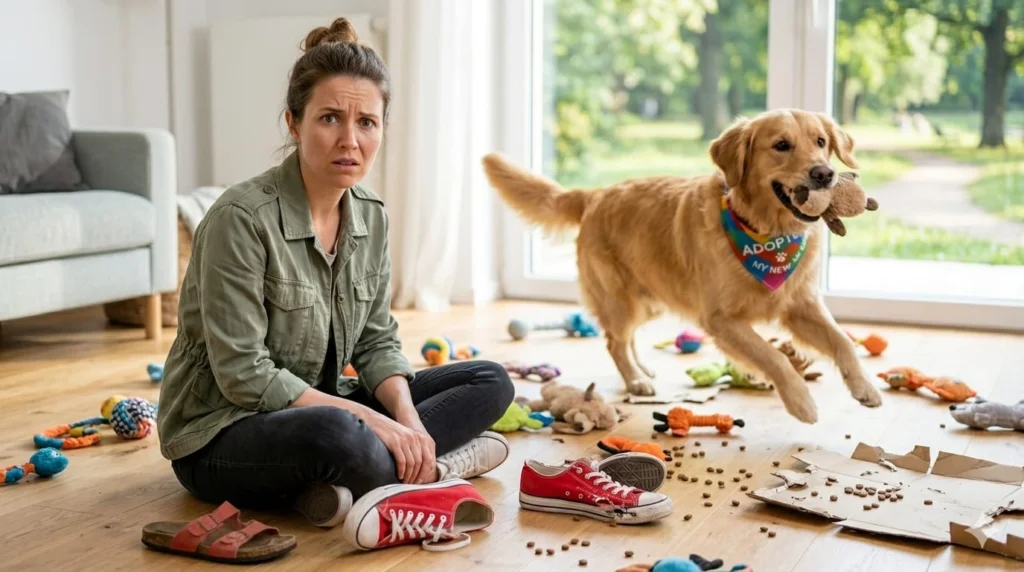
Getting a dog is exciting. It’s also, for many people, harder than they expected — not because the dog is bad, but because nobody told them the small things that matter most. This is especially true when adopting a rescue dog, a shelter dog, or a puppy from a foster home. The excitement of giving a dog a second chance can overshadow the practical preparation that makes it work.
At Paws Unleashed, our nonprofit dog rescue team in Fort Pierce, Florida works with new adopters every week. We see the same patterns repeat. These are common difficulties to plan for, along with practical ways to respond.
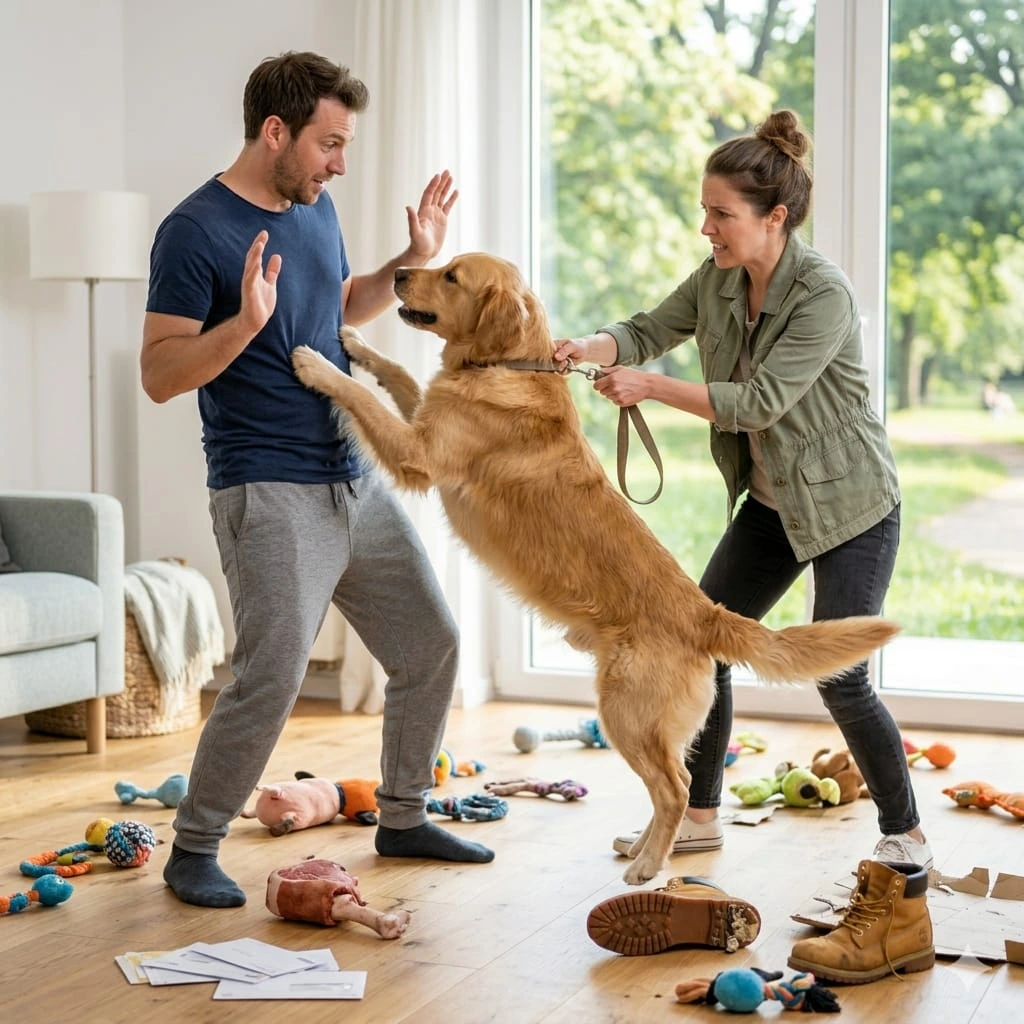

Not setting rules from day one
Agree on household rules before the dog arrives. If a rule changes later, teach the new behavior with rewards and manage access while the dog learns.
Before your dog comes home, decide:
- Which rooms are off-limits?
- Where does the dog sleep?
- Who feeds the dog, and when?
- What counts as acceptable behavior at the door, on the couch, at mealtimes?
Make those decisions as a household, then apply them consistently from the first hour. Rescue dogs don’t need harsh rules — they need clear ones. A dog rescued from an abandoned or neglectful situation often finds structure deeply reassuring.
Skipping or rushing socialization
Socialization is the process of exposing your dog to the world in a positive way — different people, places, animals, sounds, and surfaces — so they grow into a confident, adaptable adult.
The mistake many new adopters make: assuming their rescue dog will just ‘figure it out’ through exposure. A dog who is flooded with overwhelming stimuli without support doesn’t get socialized — they get more fearful. This is especially true for shelter dogs and dogs from foster homes who may not have experienced much of the world yet.
The fix: introduce new experiences gradually, keep them positive, and let the dog set the pace. If your dog is stiff, wide-eyed, or trying to escape, slow down. If they’re loose, sniffing, and curious, you’re in the right zone.
Inconsistent training across the household
Training a rescue dog is straightforward when one person does everything consistently. Training in a real household — with partners, kids, grandparents, and visitors — is harder.
If one person lets the dog jump for a greeting and another corrects it, the dog doesn’t know what’s right. If ‘off the couch’ is enforced on weekdays but ignored on weekends, the dog learns the rule isn’t real.
Practice the same cues and rewards as a household. Show everyone how to ask for a simple behavior and when to reward it. Consistency makes the lesson easier to follow.
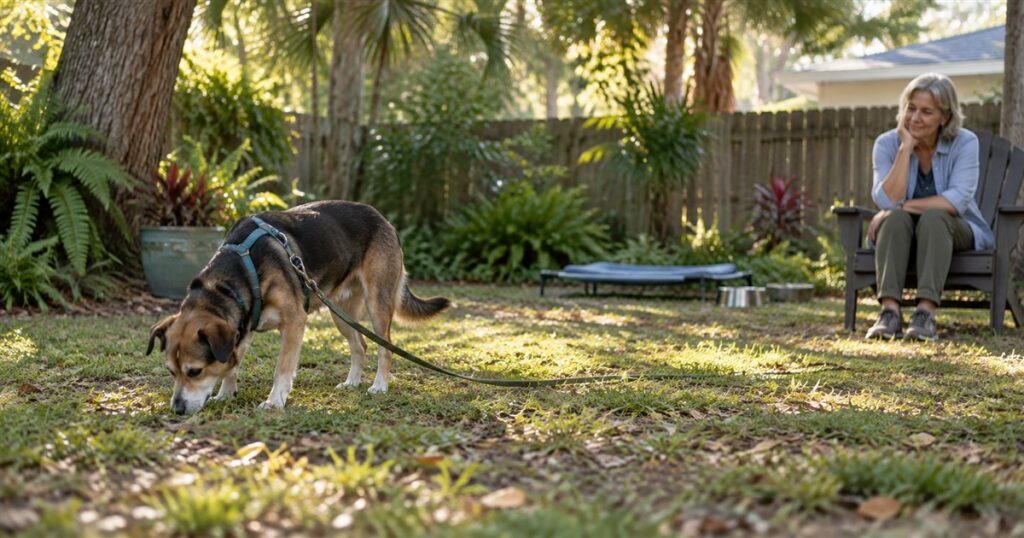
Under-exercising — and over-relying on the backyard
Do not assume time in a backyard meets every activity need. Offer suitable walks, sniffing, play, and short training sessions, with enough rest between them.
Chewing, digging, barking, and escape attempts can have several causes, including boredom, fear, or discomfort. Look at when the behavior happens and seek veterinary advice about sudden changes.
Choose activity based on age, health, fitness, and weather. Florida heat and humidity can make exercise unsafe even early or late in the day. Use cooler conditions, water breaks, and indoor alternatives; ask your veterinarian about limits.
Offer manageable food puzzles, scent games, and short training sessions. The aim is enjoyable activity, not exhaustion. Stop when the dog becomes frustrated or tired.
Reacting to bad behavior instead of preventing it
New owners often wait for problems to happen, then react. With rescue dogs — particularly abandoned dogs or those from high-kill shelters with stress in their history — prevention is far more effective than correction.
If your dog chews shoes, the solution isn’t scolding them after the fact. Dogs don’t connect delayed punishment with past behavior. The solution is to not leave shoes where the dog can reach them, and to provide appropriate chew options.
If your dog jumps on guests at the door, the solution isn’t yelling ‘no’ at an excited dog. The solution is practicing calm greetings before any guests arrive, and asking visitors to turn away from the jumping and only greet a dog with four paws on the floor.
Management — controlling the environment — is your best tool. Set your rescue dog up to succeed, and reward the successes.
Waiting too long to get professional help
Ask for help when a behavior feels unsafe or difficult to manage. You do not need to struggle for months before consulting a veterinarian or qualified reward-based trainer.
A professional can help identify the cause and set realistic steps. Progress depends on the dog and the problem, so avoid expecting a fixed number of sessions to resolve it.
At Paws Unleashed, our dogs come with a training foundation already in place, and our team stays available to support new adopters through the transition. If something isn’t working, reach out before it becomes a crisis — and before a dog ends up back in a shelter.
Expecting too much too soon
Give yourself and the dog time to learn new routines. Notice changes, but do not expect every problem to disappear by a particular month.
A rescue dog’s history may be incomplete. Respond to the behavior you see rather than assuming abandonment or neglect explains it.
Keep practicing manageable routines and ask for support when needed. A comfortable daily life is a better goal than a promised transformation.
Questions along the way? We’re always here. Call (772) 489-1157 or visit PawsUnleashed.org.
Recent Posts
-
 Rescue Dog Digging in the Yard? Secure the Boundary, Then Find the Reason
-
 Rescue Dog Barking at the Window? Change the Room Before the Cue
-
 Recall Training for a Rescue Dog: Make the Whole Return Worthwhile
-
 Applying to Adopt a High-Drive Rescue Dog: Build an Honest Handler Plan
-
 Trigger Stacking in Rescue Dogs: Plan Recovery Before the Next Demand
Search Posts
Recent Posts
-
Rescue Dog Digging in the Yard? Secure the Boundary, Then Find the Reason
-
Rescue Dog Barking at the Window? Change the Room Before the Cue
-
Recall Training for a Rescue Dog: Make the Whole Return Worthwhile
-
Applying to Adopt a High-Drive Rescue Dog: Build an Honest Handler Plan
-
Trigger Stacking in Rescue Dogs: Plan Recovery Before the Next Demand
3 Responses