
How to help a fearful rescue dog build confidence

Some newly adopted dogs explore straight away; others hide or hesitate. Give them space, but contact a veterinarian if they seem unable to move normally, refuse food, or remain unusually withdrawn.
Fearful behavior can look like stubbornness, but a dog may be overwhelmed or unwell. Avoid assuming a particular past experience caused it. Start with the dog’s current needs.
Building confidence in a fearful dog takes time, consistency, and a specific approach. This guide gives you the framework.

Understanding why rescue dogs become fearful
Fear can reflect genetics, early experience, later events, pain, or illness. A veterinary check is a useful starting point, especially when the behavior is new or severe.
A fearful dog needs a sense of safety and opportunities to retreat. Work at a pace they can handle instead of pushing them through frightening situations.
Common backgrounds that produce fearful rescue dogs:
- Puppy mill dogs with minimal human contact in their early weeks
- Dogs from hoarding situations with no individual attention
- Dogs that experienced physical abuse or harsh punishment-based training
- Dogs rescued from neglect with limited socialization
- Dogs who spent extended periods in loud, chaotic shelter environments
At Paws Unleashed in Fort Pierce, our rehabilitation process begins before any dog is placed in a home. We assess each dog’s behavioral needs and use certified professional trainers to help fearful dogs start building trust before adoption. But the real work continues in your home.
The first rule: never force it
The most common mistake owners make with fearful dogs is forcing interaction. They reach toward a hiding dog to pet them. They pick up a shrinking dog to offer comfort. They walk a panicking dog into a crowded situation because ‘exposure will help.’
Forced contact can make fear worse. Let the dog move away and choose a quieter setting before trying again.
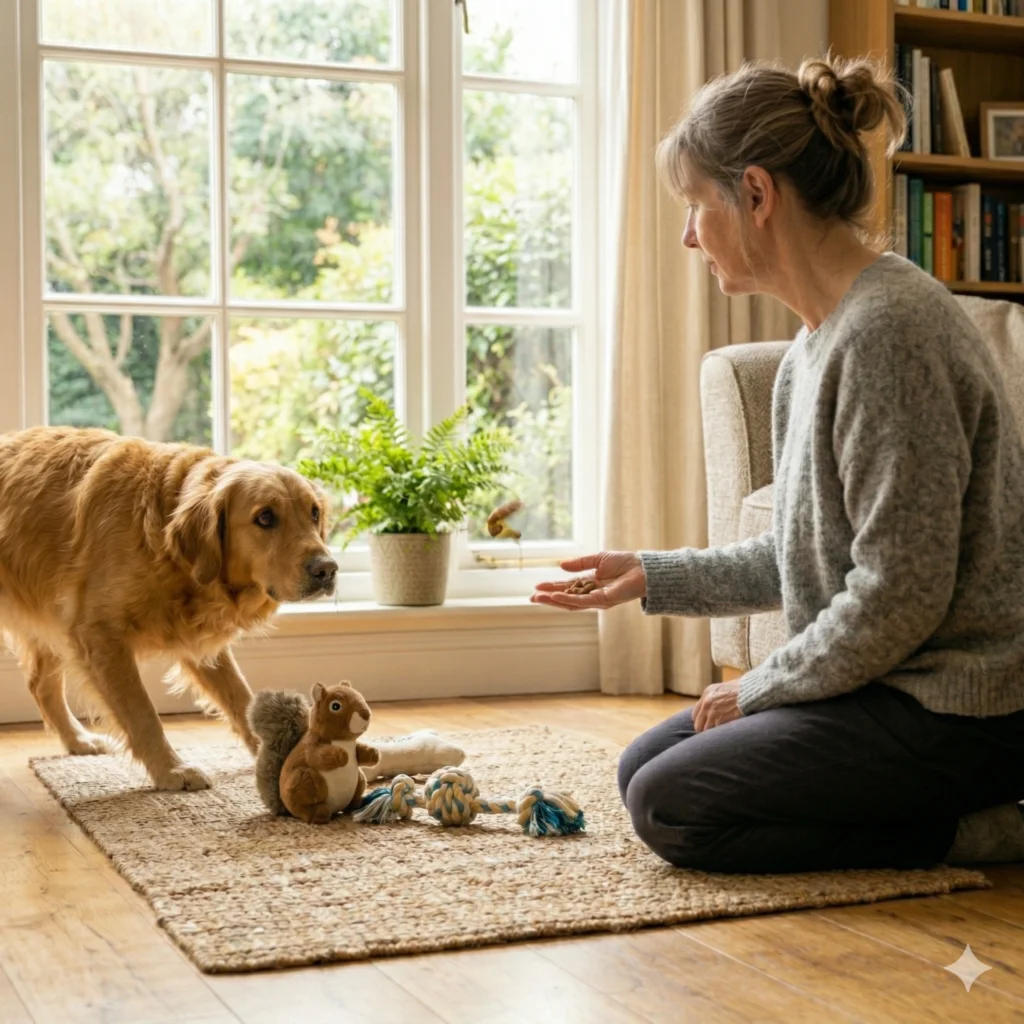
Let the dog choose whether to approach. Keep a clear escape route and reward comfortable behavior without using food to lure the dog into contact they want to avoid.
In practice, this means:
- Sit on the floor near the dog rather than approaching them
- Extend your hand and let the dog sniff at their own pace — don’t reach toward them
- Look away or blink slowly rather than direct staring, which can feel threatening
- When the dog approaches, move slowly and reward calmly
- If the dog retreats, let them go without following
Building a positive association — step by step
Confidence is built through repetition of positive experiences. The goal is to pair things that were previously neutral or scary with outcomes the dog loves. Over time, the nervous system learns that this new world predicts good things.
Step 1 — Offer a suitable reward: Use small treats that fit the dog’s diet. Toss them where the dog can collect them without moving closer to you. If the dog will not eat or seems tense, give more distance and reduce the pressure.
Step 2 — Capture brave moments: Every time your dog does something slightly brave — steps out of their safe space, investigates something new, makes eye contact with you — mark it immediately (a cheerful ‘yes!’ works) and reward with a treat. You’re teaching the dog that being brave pays off.
Step 3 — Introduce new things at distance: If your dog is scared of strangers, don’t invite friends over for a meet-and-greet in week one. Start at a distance where the dog can observe without panicking — they see the stranger across the yard, you feed them treats. Gradually decrease the distance over sessions as the dog shows relaxed body language.
Step 4 — Controlled novelty: Short, positive exposures to new things — different floors, sounds, textures, outdoor environments — build a dog’s resilience. Always keep these experiences brief and positive. End before the dog shows stress.
Step 5 — Keep daily routines familiar: Predictable meals, rest, and walks can help. Introduce necessary changes gradually when possible and watch how the dog responds.
Reading fear signals so you know when to stop
Working with a fearful dog requires you to become fluent in their body language. Pushing past stress signals doesn’t build courage — it deepens fear. Know when to stop and give space.
Signals that the dog needs a break:
- Yawning or lip licking (not related to food)
- Turning the head or body away
- Sniffing the ground suddenly when nothing is there
- Tail tucked low or held stiffly
- Whale eye — showing the whites of the eyes
- Freezing in place
- Slow, stiff movement
If these signals appear, stop and give the dog space. At the next session, make the task easier or increase distance. Aim to finish while the dog is still comfortable.
What progress looks like — and patience it requires
Progress with a fearful rescue dog is not linear. There will be good days and setbacks. A dog that seemed to be coming out of their shell may regress when something new happens — a thunderstorm, a new person visiting, a change in schedule. This is normal.
What to track instead of perfection:
- Is the dog spending less time hiding than they did last week?
- Is the dog initiating contact occasionally, even briefly?
- Is the dog eating consistently?
- Are good days outpacing hard days over time?
Progress varies. Record small changes and discuss persistent distress with your veterinarian or a qualified behavior professional instead of waiting for a six-month transformation.
When to bring in professional help
Seek veterinary advice promptly for appetite loss, pain, unusual withdrawal, or sudden behavior changes. A behavior professional can help with ongoing fear, especially when daily activities feel unsafe or unmanageable.
- The dog refuses food or is eating very little; contact a veterinarian promptly
- The dog is completely non-functional — unable to walk, go outside, or make any contact
- Fear is escalating into aggression (growling, snapping, biting)
- After several weeks, there has been no measurable progress
A certified professional dog trainer (look for CPDT-KA credentials) who specializes in fear and anxiety can make an enormous difference. In some cases, a veterinary behaviorist may recommend medication to help take the edge off fear responses enough for behavioral work to reach the dog. This is not giving up — it’s using all available tools.
At Paws Unleashed, we use certified professional trainers as part of our rehabilitation process, and we support our adopters through the transition. If you’ve adopted a fearful dog from us and you’re struggling, please reach out. We’d rather help early than hear about it later.
Paws Unleashed is a 501(c)(3) nonprofit dog rescue based in Fort Pierce, Florida. We rescue, rehabilitate, and rehome abandoned and neglected dogs with the goal of finding each one a safe, loving forever home. Call (772) 489-1157 or visit PawsUnleashed.org.
Recent Posts
-
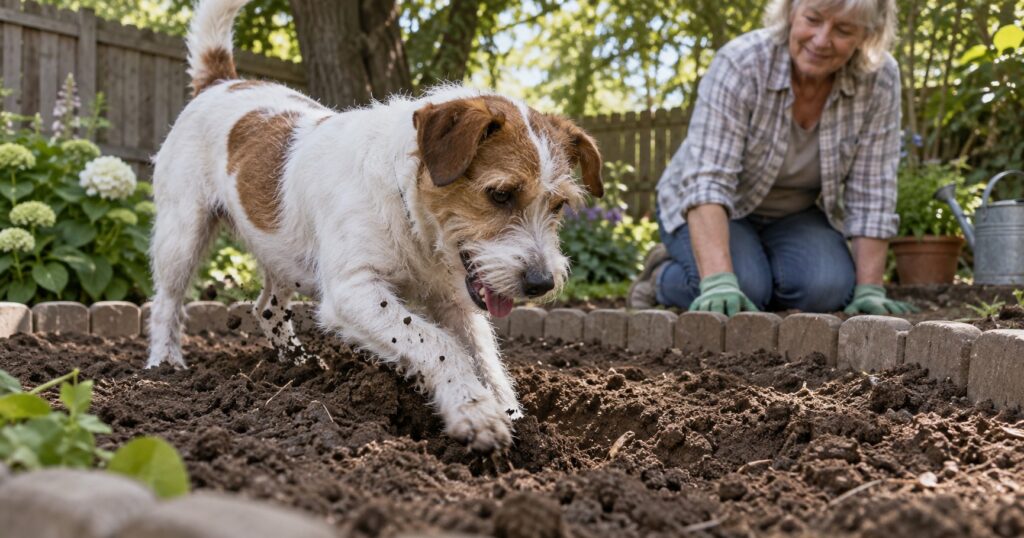 Rescue Dog Digging in the Yard? Secure the Boundary, Then Find the Reason
 -
 Rescue Dog Barking at the Window? Change the Room Before the Cue
 -
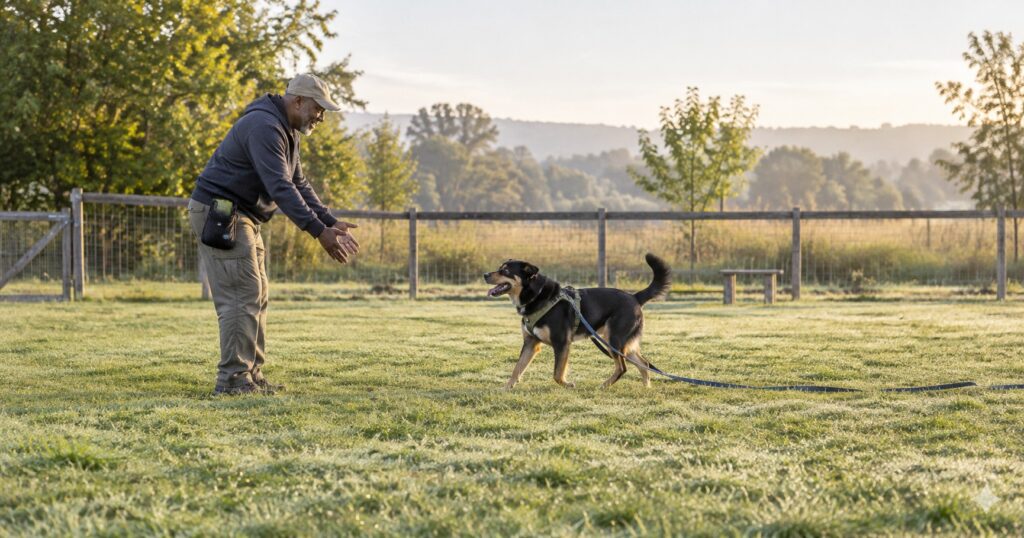 Recall Training for a Rescue Dog: Make the Whole Return Worthwhile
 -
 Applying to Adopt a High-Drive Rescue Dog: Build an Honest Handler Plan
 -
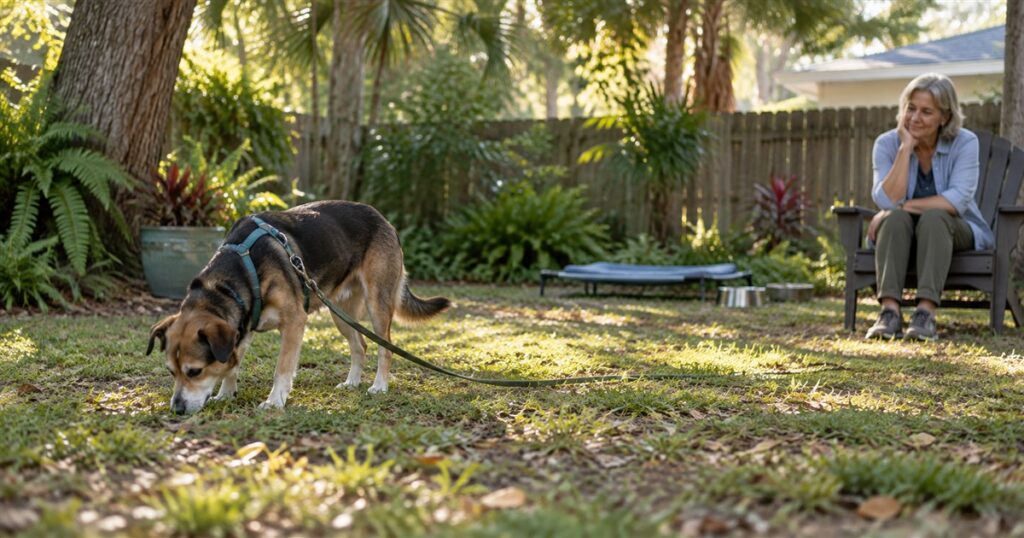 Trigger Stacking in Rescue Dogs: Plan Recovery Before the Next Demand
Search Posts
Recent Posts
-
Rescue Dog Digging in the Yard? Secure the Boundary, Then Find the Reason
-
Rescue Dog Barking at the Window? Change the Room Before the Cue
-
Recall Training for a Rescue Dog: Make the Whole Return Worthwhile
-
Applying to Adopt a High-Drive Rescue Dog: Build an Honest Handler Plan
-
Trigger Stacking in Rescue Dogs: Plan Recovery Before the Next Demand