
How to prepare your home for a rescue dog
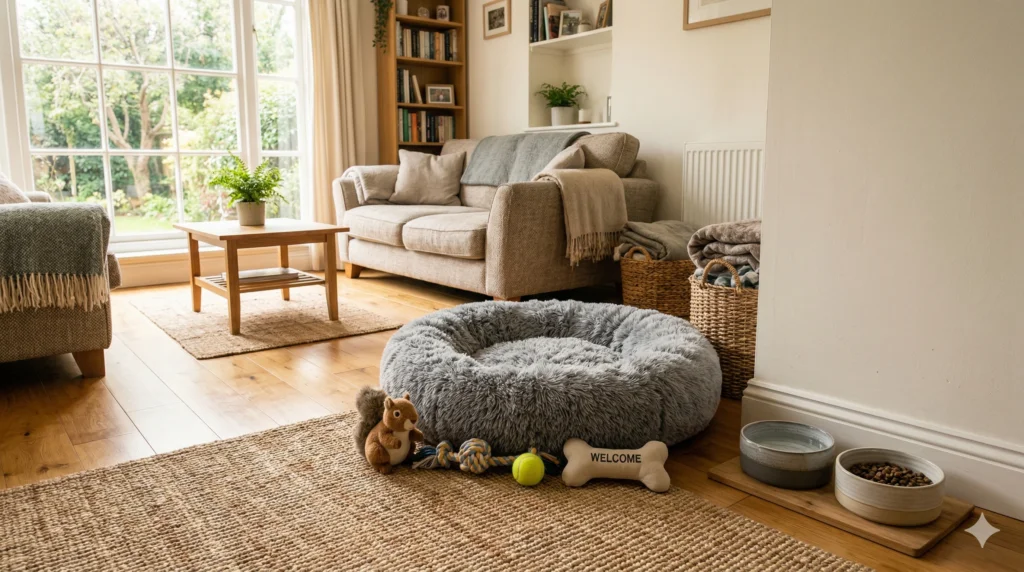
Adopting a rescue dog is one of the most meaningful things you can do. You’re giving an abandoned or neglected dog a second chance at a safe, loving life. But the first days in a new home can be overwhelming for a dog that has come from uncertainty — and how well you prepare your space directly shapes how quickly they settle in.
At Paws Unleashed in Fort Pierce, Florida, we prepare every dog for adoption through medical care, rehabilitation, and professional training. But the home environment matters just as much as what happens at the rescue. This guide walks you through exactly what to set up before your new dog arrives.
Start with a safe space — before anything else
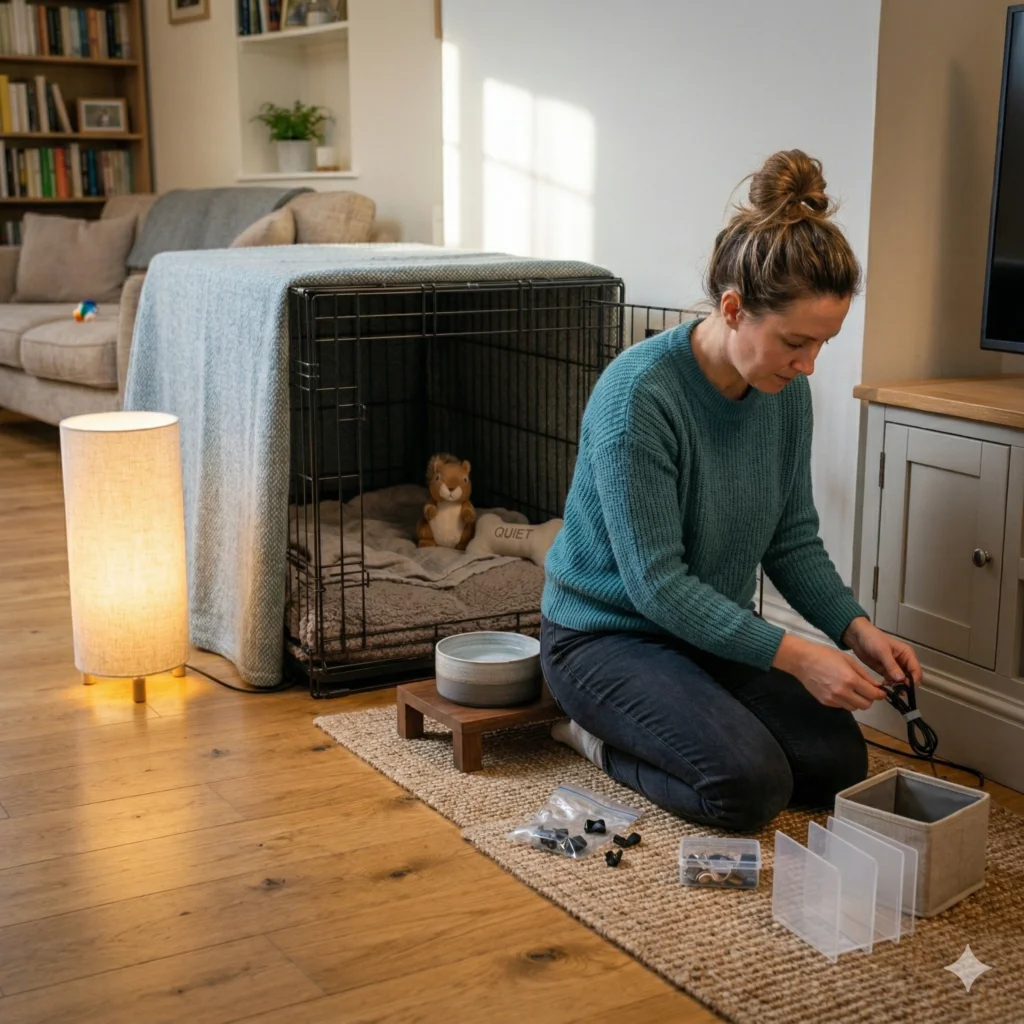
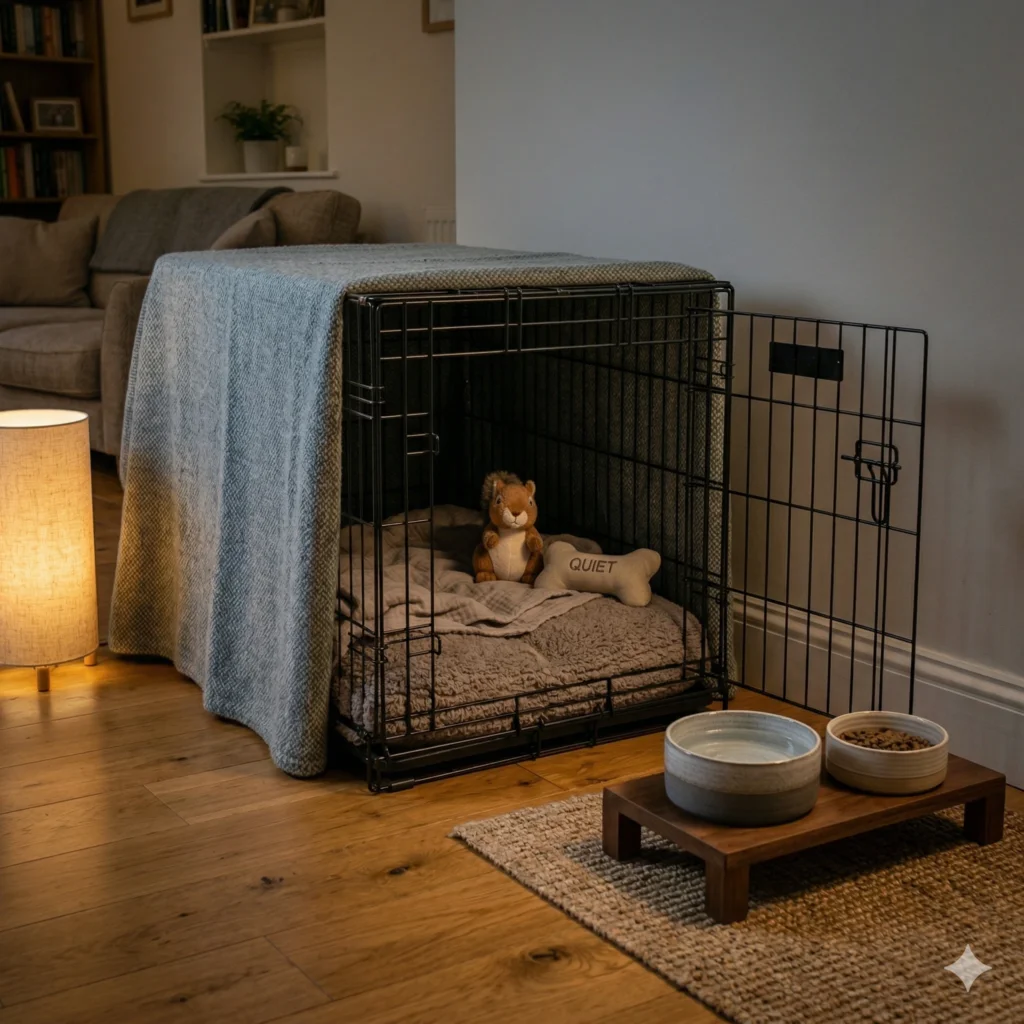
Prepare a quiet resting area before the dog arrives. Depending on their comfort with confinement, use a gated room, a comfortable bed, or a crate they have learned to enjoy.
A new home can be busy and unfamiliar. Give the dog a place where they can rest without visitors or children approaching.
What the safe space should have:
- A comfortable bed or blanket that stays in that spot
- A water bowl nearby
- Low noise and foot traffic
- Access to the space at all times — never use it as punishment
If the dog is comfortable in a crate, keep it well ventilated and away from heat. A cover is optional and should be out of reach of chewing. Do not force a distressed dog to stay in an enclosed crate.
Dog-proof your home room by room
Check your home at dog level. Put tempting or dangerous items out of reach, regardless of what you know about the dog’s history.
Kitchen: Secure cabinets that contain cleaning products, medications, or food. Many common foods are toxic to dogs — grapes, raisins, onions, garlic, xylitol (found in sugar-free gum and some peanut butters), and chocolate. Trash cans should have locking lids or be stored inside a cabinet.
Living areas: Tuck away electrical cords. Remove small objects from low surfaces — coins, remote control batteries, children’s toys. Secure houseplants; many common ones including pothos, peace lily, and sago palm are toxic to dogs.
Bathroom: Keep toilet lids closed. Store all medications, vitamins, and personal care products behind closed cabinet doors. A curious dog can get into a bathroom cabinet faster than you’d expect.
Yard: Walk the perimeter of your fence and look for gaps, loose boards, or areas a dog could dig under. Check for toxic plants — in Florida, sago palm is particularly dangerous and extremely common in landscaping. Ensure your pool has a barrier or that the dog cannot access it unsupervised.
Check the yard for fire ants and toxic cane toads, as well as access to wildlife or standing water. Supervise outdoor exploration and ask your veterinarian what to do after a suspected exposure.
Gather the right supplies before day one
Having the right equipment in place before your dog arrives removes a lot of early stress. You don’t want to be driving to a pet store at 9pm because you forgot a collar.
The essentials:
- Collar with an ID tag (include your phone number — engraved tags are better than paper inserts)
- A properly fitted harness for walks — especially useful for dogs that pull
- A 6-foot leash for walks and a longer training lead (15–20 feet) for working on recall
- Food and water bowls — stainless steel or ceramic are easier to clean than plastic
- High-quality dog food matched to the dog’s age, size, and any dietary needs
- Treats — small, soft, high-value treats are essential for training in the first weeks
- A crate sized so the dog can stand, turn around, and lie down comfortably
- Poop bags — more than you think you’ll need
- Enzymatic cleaner for accidents (this breaks down odor compounds that regular cleaners miss)
Ask the rescue organization what food the dog has been eating. Switching food suddenly can cause digestive upset. If you want to transition to a different food, do it gradually over 7–10 days, mixing the old and new food in increasing proportions.
Set up a consistent routine before your dog arrives
Agree on a manageable daily routine for meals, toilet breaks, activity, and rest. Adjust it to the dog’s age, health, and response rather than expecting immediate compliance.
A simple structure that works for most rescue dogs:
- Morning: wake up, go outside immediately, breakfast, short walk
- Midday: brief outdoor time (especially important in Florida summers — early or late to avoid heat)
- Evening: dinner, walk, outdoor bathroom time before bed
- Night: settled in their sleep area by the same time each night
Keep the routine familiar while the dog settles in, but change it when their needs require it. Predictability can help; it does not replace treatment for anxiety or illness.
Prepare the people in your home, not just the space
This step is overlooked more often than any other. Your home may be perfectly set up — but if your kids rush the dog the moment it walks in, or your partner doesn’t know the house rules, the preparation falls apart.
Before your rescue dog from Paws Unleashed arrives, have a family meeting:
- Who is responsible for feeding, morning walks, and evening walks?
- What are the rules? (On furniture? Off? Which rooms are off-limits?)
- How do we greet the dog? (Calm, no rushing, let the dog come to you)
- What do we do if the dog shows signs of stress? (Give space, don’t crowd)
Teach children calm greetings and the household rules. An attentive adult must supervise interactions with young children. Separate the dog and children whenever the adult cannot watch and intervene.
The most successful adoptions we see at Paws Unleashed involve families who prepared together. The dog doesn’t just find a house. They find a whole household that’s ready for them.
The first 24 hours: keep it calm
When your dog arrives, resist the urge to make it an event. No neighborhood welcome parties, no immediate introductions to every friend who wants to meet the new dog. Keep the first 24 hours quiet.
Let the dog explore at their own pace. Show them to their safe space. Sit nearby and let them come to you rather than reaching for them. Go outside for bathroom breaks frequently — every one to two hours in the first day — and reward calmly when they go in the right spot.
Monitor eating, drinking, movement, and rest. Stress can affect these, but illness can too. Contact your veterinarian promptly about refusal of food, marked lethargy, vomiting, or other concerning changes.
Give the dog room to adjust without setting a deadline. Ask the rescue team or a qualified professional for help if routines are difficult or the dog remains distressed.
Ready to bring a rescue dog home? Paws Unleashed is a 501(c)(3) nonprofit dog rescue in Fort Pierce, Florida. Every dog we place has been medically cared for, rehabilitated, and professionally trained. Visit PawsUnleashed.org or call (772) 489-1157 to start your adoption journey.
Recent Posts
-
 Rescue Dog Digging in the Yard? Secure the Boundary, Then Find the Reason
-
 Rescue Dog Barking at the Window? Change the Room Before the Cue
-
 Recall Training for a Rescue Dog: Make the Whole Return Worthwhile
-
 Applying to Adopt a High-Drive Rescue Dog: Build an Honest Handler Plan
-
 Trigger Stacking in Rescue Dogs: Plan Recovery Before the Next Demand
Search Posts
Recent Posts
-
Rescue Dog Digging in the Yard? Secure the Boundary, Then Find the Reason
-
Rescue Dog Barking at the Window? Change the Room Before the Cue
-
Recall Training for a Rescue Dog: Make the Whole Return Worthwhile
-
Applying to Adopt a High-Drive Rescue Dog: Build an Honest Handler Plan
-
Trigger Stacking in Rescue Dogs: Plan Recovery Before the Next Demand
2 Responses