Signs your dog is happy and healthy
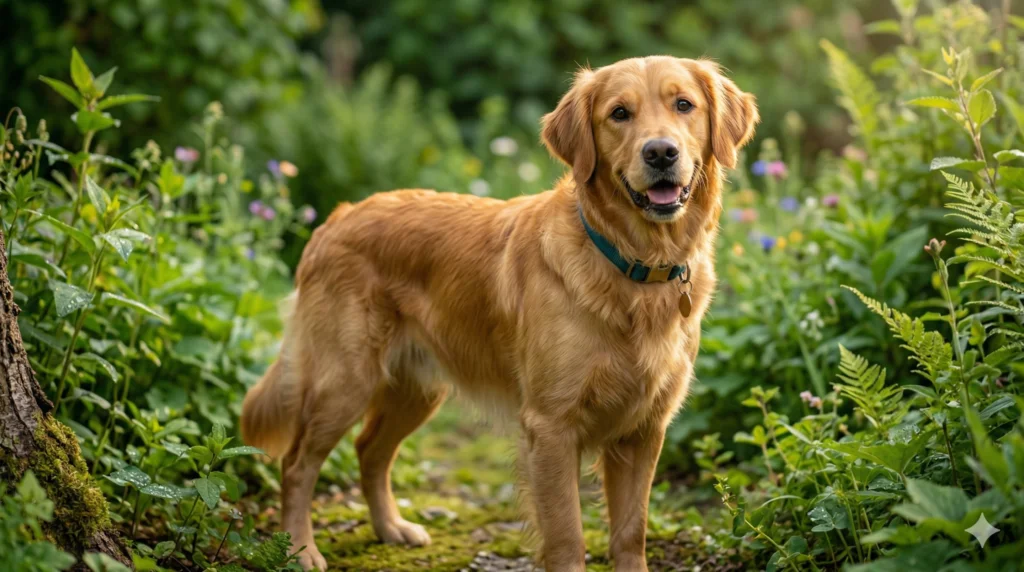
When you adopt a rescue dog — a dog pulled from neglect, abandonment, or a high-kill shelter — one of the first things you want to know is: are they okay? Are they adjusting? Are they happy?
Dogs can’t tell you in words. But they communicate clearly if you know what to look for. This guide walks you through the physical and behavioral signs that your adopted dog is thriving — and what to watch for when something might be off.

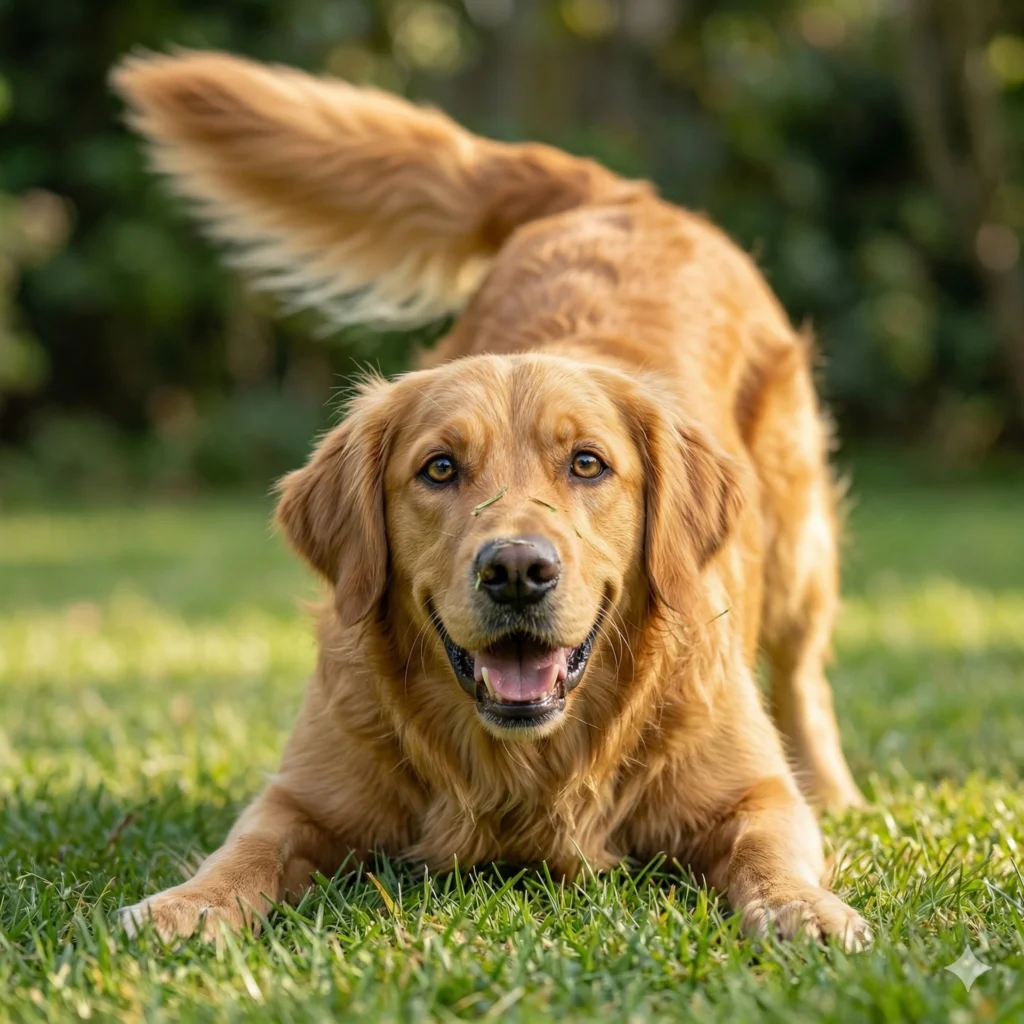
Physical signs of a healthy dog
Health starts with the body. Before you can read your dog’s emotional state, it helps to know what a physically healthy dog looks and feels like.
Coat and skin: A healthy dog’s coat is smooth and clean, with minimal shedding beyond normal seasonal loss. The skin underneath should be free of flakes, redness, sores, or bald patches. In Florida’s humidity, skin conditions are more common than in drier climates — regular brushing and baths help you catch issues early.
Eyes: Clear and bright, with no discharge, cloudiness, or redness. A small amount of sleep crust in the morning is normal. Persistent discharge, squinting, or pawing at the eyes warrants a vet visit.
Ears: Clean with no odor and no dark debris inside. Dogs with floppy ears (common in many rescue mixed breeds) are more prone to ear infections. Check weekly and ask your vet about a regular cleaning routine.
Teeth and gums: Gums should be pink and moist. Pale, white, blue, or bright red gums can indicate serious health issues. Teeth should be relatively clean — some tartar buildup is common in older dogs, but heavy buildup or broken teeth needs attention.
Weight: You should be able to feel your dog’s ribs easily but not see them prominently. Rescue dogs sometimes arrive underweight; Paws Unleashed addresses this during rehabilitation before any dog is placed. If you’re unsure about your dog’s body condition, your vet can score it on a standardized scale.
Elimination: Regular, formed stools (not loose or mucousy) and consistent urination are signs of a healthy digestive and urinary system. Any blood in stool or urine, or significant changes in bathroom habits, should be evaluated by a vet.
Behavioral signs your rescue dog is happy
Happy dogs have a particular quality to them. Once you’ve lived with one, you recognize it immediately. Here are the signs that your adopted dog has found their footing.
Loose, wiggly body: A relaxed dog moves fluidly. Their body isn’t stiff or tense. When they walk toward you, their whole back end may wag, not just the tail. This loose, almost wiggly way of moving is one of the clearest signs of a dog that feels safe and at ease.
Seeking you out: A happy dog wants to be near their people. They follow you from room to room, choose to rest near you, and make regular eye contact. This is a dog that has bonded — and for a rescue dog that came from abandonment, it means the world.
Playfulness: Play behavior — bowing, bouncing, bringing toys, engaging in games — is one of the most reliable indicators of a well-adjusted dog. Play requires a dog to feel safe enough to let their guard down. When a rescue dog first starts playing in a new home, it’s a milestone worth celebrating.
Eating with enthusiasm: A dog that eats consistently and with appetite is generally doing well. The first day or two after adoption, some dogs are too stressed to eat much. But by week two, a healthy, adjusting dog should be eating normally at mealtimes.
Relaxed sleeping: Dogs sleep a lot — 12 to 14 hours a day for adults, more for puppies and seniors. A happy dog sleeps deeply, sometimes in exposed positions (belly up, stretched out) that signal they feel completely safe. A dog that sleeps curled tight or always with their back against a wall may still be in a defensive mindset.
Appropriate vocalization: Some breeds are naturally more vocal than others. But barking or whining that feels constant, frantic, or tied to being left alone can indicate anxiety. A happy, settled dog vocalizes in context — a bark at the door, a whine when excited for a walk — not as an ongoing background noise.
Signs something might be wrong
Knowing what healthy looks like also means knowing when to pay attention. None of these signs alone is cause for panic — context matters — but they’re worth noting and discussing with your vet if they persist.
- Loss of appetite lasting more than 48 hours
- Lethargy or unusual quietness that doesn’t match their normal energy
- Excessive panting not related to heat or exercise
- Hiding or refusing to leave their safe space for extended periods
- Aggression that’s new or escalating
- Excessive licking, chewing, or scratching at specific body parts
- Vomiting more than once, or diarrhea lasting more than a day
- Limping or reluctance to bear weight on a limb
In Florida, heartworm is a serious and common risk. Every dog adopted through Paws Unleashed is tested and treated for heartworm before placement. But keeping your dog on monthly prevention is essential — year-round in Florida, not just in summer. This is one of the most important things you can do for a dog’s long-term health.
The happiness trajectory of a rescue dog
One of the most beautiful things about working with rescue dogs is watching the transformation over time. A dog that arrived withdrawn, undersocialized, or afraid gradually becomes confident, affectionate, and playful.
This doesn’t happen in a week. For many rescue dogs — especially those who came from difficult situations — the full personality doesn’t emerge for several months. Behaviorists use the phrase ‘second chance dog bloom’ informally, but the phenomenon is real and well-documented: rescue dogs often continue improving in behavior and happiness for 6 to 12 months after adoption.
The milestones to watch for:
- Week 1–2: Eating consistently, making eye contact, starting to explore the house
- Week 3–4: Beginning to seek out affection, relaxing in shared spaces, first play behaviors
- Month 2–3: Initiating play, showing personality quirks, choosing favorite spots
- Month 4–6: Deep bonding, confident walks, consistent happiness signals
If your dog seems stuck — not progressing, still showing high anxiety or shutdown behavior after several weeks — that’s worth discussing with a professional. Not because something is wrong with the dog, but because they may need more support than the home environment alone can provide.
Keeping your adopted dog thriving long-term
The work of a good adoption doesn’t end after the first month. Here are the habits that keep rescue dogs healthy and happy for the long haul:
- Annual vet visits, plus heartworm testing and prevention year-round (critical in Florida)
- Consistent exercise matched to the dog’s age and breed — not too little, not too much
- Mental stimulation: training sessions, puzzle feeders, new smells and environments
- Social connection with people and, when appropriate, other dogs
- Dental care: brushing or dental chews to prevent periodontal disease
- Continued training — learning new things keeps dogs mentally young and engaged
A dog that was abandoned or homeless doesn’t forget where they came from. But with enough time, consistency, and love, they stop living like they expect to lose it all again. When that shift happens — and it will — there is nothing quite like it.
Paws Unleashed rescues, rehabilitates, and rehomes abandoned dogs in Fort Pierce, Florida, and across the U.S. Our 5-star-reviewed team includes certified dog trainers and licensed veterinary partners. Learn more at PawsUnleashed.org or call (772) 489-1157.